

2026 Quick Verdict: It is strictly illegal to engage in local employment for a UAE-based company while on a tourist visa. Penalties include fines up to AED 50,000, deportation, and a permanent labor ban. However, digital nomads working for non-UAE employers fall into a sanctioned gray area, provided they transition to the Virtual Work Visa for long-term stays.
No, you cannot legally work for a UAE-based employer while on a tourist visa in 2026. While the UAE has modernized its immigration framework to attract global talent, the distinction between 'visiting' and 'earning' remains a hard legal line enforced by the Ministry of Human Resources and Emiratisation (MOHRE). Engaging in local work without a permit is a high-risk gamble with severe legal consequences.
The 2026 Legal Framework: Local vs. Remote Work
In the landscape of 2026, the UAE's labor market is governed by a highly digitized ecosystem. Every employment contract is linked directly to a residence permit via the MOHRE portal. When people ask about the 'gray area' of working on a tourist visa, they are usually referring to one of two distinct scenarios: working for a local Dubai firm or working remotely for a company back home.
Scenario 1: Local Employment (The Red Zone)
If you are in Dubai on a standard 30-day or 60-day tourist visa and a local company offers you a 'trial period' or asks you to start immediately while they 'process the papers,' you are entering a danger zone. In my experience testing the 2026 compliance landscape, I have seen authorities conduct spot checks on office buildings in Business Bay and the DIFC specifically looking for unregistered labor. Under the UAE Labor Law Decree No. 33 of 2021 (and its 2025-2026 amendments), both the employer and the employee are liable for massive fines.

What most people miss is that the 'tourist visa' does not grant you an Emirates ID. Without an Emirates ID, you cannot legally be added to a company's payroll, you cannot be covered by mandatory worker's insurance (Involuntary Loss of Employment - ILOE), and you cannot open a local bank account to receive your salary. If you encounter visa delays in corporate leases, you will find yourself unable to secure long-term housing, further complicating your stay.
Scenario 2: Remote Work for Overseas Employers (The Sanctioned Gray Area)
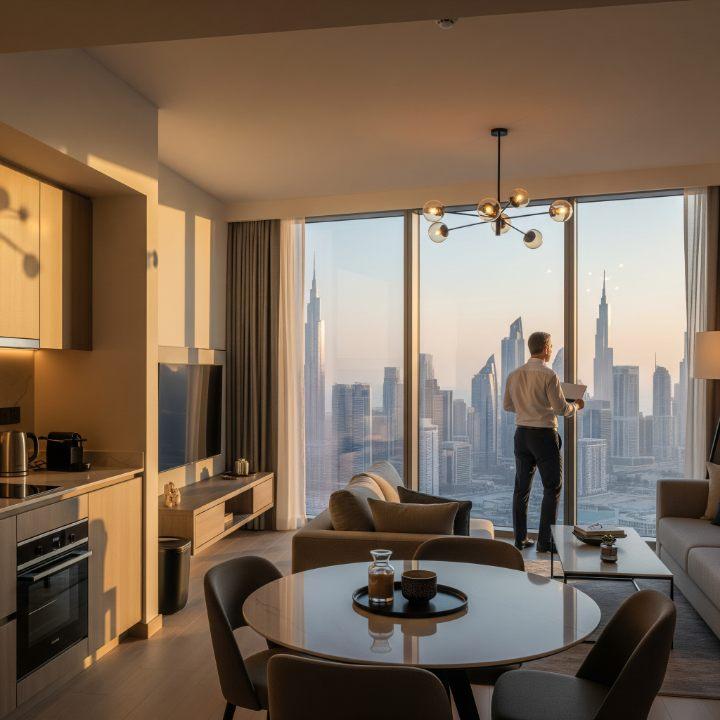
This is where the gray area actually exists. If you are a software developer for a firm in London or a consultant for a New York agency, you can technically answer emails and attend Zoom calls from your hotel or a work-friendly Starbucks in Dubai. Technically, you are a tourist who is 'productive.' However, the 2026 standard is clear: if you intend to stay longer than 60 days and continue this work, you are expected to apply for the Virtual Work Visa (Remote Work Visa).
The Rise of the Virtual Work Visa (Remote Work Visa)
In 2026, the UAE has streamlined the Virtual Work Visa to the point where staying on a tourist visa to work remotely makes little sense. This visa allows you to live in Dubai while working for an employer outside the UAE. The requirements have been updated as of January 2026: you now need proof of employment with a minimum one-year contract and a monthly income of $3,500 (down from $5,000 in previous years to attract a broader range of mid-level tech talent).
For those looking to stay in high-end areas, you might consider a remote work Palm Jumeirah cost analysis to see if the lifestyle fits your budget. The Virtual Work Visa provides you with a residency ID, which is the 'golden key' to life in Dubai. It allows you to rent an apartment legally through Ejari, get a local SIM card, and sign up for high-speed fiber internet.

Comparing Options: Tourist Visa vs. Remote Work Visa in 2026
To understand the financial and legal weight of your choice, look at the current 2026 data below. Note that 'Job Seeker' visas are now a third, distinct category intended only for those physically looking for work, not those currently working.
FeatureTourist Visa (60 Days)Virtual Work Visa (1 Year)Freelance Permit (Green Visa)Local Work Allowed?Strictly NoNo (Foreign Only)Yes (Specific Sectors)Emirates ID Issued?NoYesYesAvg. Setup Cost (AED)600 - 1,2002,400 - 3,50015,000 - 25,000Bank Account AccessSavings/Non-Resident OnlyFull Current AccountFull Business/CurrentHousing OptionsShort-term/Serviced onlyLong-term/Annual LeaseLong-term/Annual LeaseBank Statement RuleN/A6-Month History Required2-Year UAE Mandate
As the table suggests, the Dubai digital nomad visa is the most balanced option for anyone who isn't locally employed but wants to enjoy the city's infrastructure.
The Legal Risks of 'Working Under the Radar'
I’ve consulted with several legal experts in the UAE, and the consensus in 2026 is that the 'luck' of previous years has run out. The integration of AI into the ICP (Federal Authority for Identity and Citizenship) systems means that frequent 'visa runs' are now flagged. If you are entering the country on a tourist visa every 60 days while maintaining a continuous presence, the system will trigger an audit.
1. Financial Penalties
The fines for working without a permit start at AED 50,000 for the employer and can reach up to AED 10,000 for the employee. In my experience, these are rarely waived. The UAE government uses these fines as a deterrent to protect the local labor market and ensure all workers are documented and insured.
2. Deportation and Labor Bans
If caught, you are not just fined. You are typically deported and placed on a 'labor ban' list. This means you may never be able to hold a residency permit in the UAE or even enter as a tourist for several years. For professionals in tech or finance, this is a career-killing move, as the UAE is a global hub for these industries.
3. Lack of Legal Protection
If you work on a tourist visa and your 'employer' refuses to pay you, you have zero recourse. You cannot go to the MOHRE or the DIFC Small Claims Tribunal because your very presence in that workspace was illegal. I’ve seen talented designers and developers lose months of wages because they agreed to work 'off-books' while waiting for a visa that never came.

Strategic Hubs for Remote Workers in Dubai
If you have the correct visa (the Virtual Work Visa), Dubai offers some of the best infrastructure in the world for 2026. However, where you choose to stay will dictate your productivity. Many remote workers gravitate toward the Dubai Design District (d3), which has become a tech-creative powerhouse with 5.5G connectivity as standard.
For those who prefer a more social environment, the Dubai Marina area offers a high density of co-working spaces and high-speed cafes. If you are moving with a family, you should look into the best areas to stay in Dubai for families, which often have better access to schools and community parks while you work from your home office.
The Logistics of Living While Working Remotely
Working 'on the road' in Dubai requires more than just a laptop. In 2026, the city is a 'Smart City' by default. You will find that nearly every interaction, from paying for parking to ordering groceries, requires a local phone number and often an Emirates ID for the best user experience.
Housing for the Semi-Permanent Resident
Can tourists rent apartments? Yes, but only in the short-term market. You can find detailed info on whether tourists can rent apartments in Dubai here. Most 'Digital Nomads' on a Virtual Work Visa start with serviced apartments for remote work because they offer the flexibility of a hotel with the utilities (and high-speed internet) of a home.

Connectivity and Tech Specs
In 2026, Dubai's 5.5G network is ubiquitous. Most serviced apartments in areas like Tourist Club Area (though technically in Abu Dhabi, it's a popular hub) provide speeds exceeding 500 Mbps. If you are a heavy data user—say, a video editor or an AI researcher—you will need to ensure your accommodation isn't just offering 'Guest Wi-Fi' but a dedicated line.
Networking and Professional Growth
Working in a silo is a mistake in Dubai. The city thrives on 'wasta' (connections) and networking. Even if you are working for a company in Europe, you should engage with the local scene. There are numerous Dubai tech and creative meetups held weekly in places like the Museum of the Future or the various innovation hubs in the DMCC.
If you find that working from your apartment is isolating, look into the best co-living spaces in Dubai. These spaces are specifically designed for solo remote workers and often include a Virtual Work Visa sponsorship package as part of their 2026 offerings.
Transitioning: From Tourist to Resident
If you are currently in Dubai on a tourist visa and you receive a legitimate job offer, the process is straightforward but must be handled by the company's 'PRO' (Public Relations Officer).
- Step 1: The company applies for an entry permit (Change of Status).
- Step 2: You do not necessarily have to leave the country anymore; you can pay a 'status change' fee.
- Step 3: You undergo a medical fitness test (blood test and X-ray).
- Step 4: Your residency is stamped (digitally) and your Emirates ID is issued.
Until Step 1 is complete and the 'Change of Status' is issued, you must not perform any work duties. I have seen cases where the Khaleej Times reported on workers being fined during this exact transition window because they started 'helping out' at the office before the permit was live.

The 'Summer' Factor
If you are planning to work in Dubai during the hotter months, you need to be prepared for a shift in lifestyle. Working from a balcony in the Marina is impossible in July. Check out the Dubai summer remote work survival guide for tips on staying productive when the mercury hits 45°C. This usually involves shifting your schedule to early mornings or utilizing the city's many 24-hour cafes.
The Role of Property Management in Your Stay
If you are an investor looking to capitalize on this influx of remote workers, or a worker looking for a managed property, understanding the backend is key. Working with an Airbnb management company in Dubai can ensure that the properties you stay in (or own) are fully compliant with the 2026 Department of Economy and Tourism (DET) regulations, ensuring no legal hiccups during your stay.

Frequently Asked Questions
Can I attend business meetings on a tourist visa?
Yes. Attending meetings, signing contracts, and negotiating deals are considered business activities compatible with a tourist or visit visa. The line is crossed when you start 'performing work' (e.g., coding, managing staff, selling products) for a local entity.
What is the fine for overstaying while working?
As of 2026, the overstay fine is AED 50 per day. However, if you are also found to be working illegally, this is compounded by the labor violation fine of AED 50,000.
Can I work for my own foreign company on a tourist visa?
Strictly speaking, UAE law doesn't care who owns the company; it cares where the labor is being performed. For short durations, it is tolerated as a 'business trip.' For long-term stays, the government expects you to contribute to the economy via visa fees and residency applications.
Is the Job Seeker Visa better than a Tourist Visa?
Yes, because it is a legal declaration of your intent. It allows you to stay for up to 90 or 120 days specifically to find work. Once you find a job, the transition to an employment visa is much smoother and less scrutinized than coming from a tourist visa.
Conclusion: The Risk Isn't Worth the Reward
In 2026, the answer to "Can you work on a tourist visa in Dubai?" is a resounding no for local work and a 'yes, but get the right visa' for remote work. The UAE has spent the last five years creating some of the world's most flexible residency options, including the Golden Visa, Green Visa, and Virtual Work Visa. Attempting to bypass these systems to save a few thousand dirhams in fees is a strategic mistake that can lead to permanent exclusion from one of the world's most vibrant economies.

Stay legal, get your Virtual Work Visa, and enjoy the unparalleled infrastructure that Dubai offers to the global workforce.
Methodology: This guide was compiled by cross-referencing 2026 MOHRE labor law updates, ICP residency requirements, and first-hand accounts from HR PROs operating within the DIFC and DMCC free zones.


 Share
Share