

Quick Verdict: In 2026, the 'sticker price' of a Dubai freelancer license (approx. AED 7,500) represents only 40% of the total year-one investment. When factoring in mandatory medical insurance, the new 2026 ICP security deposits, 5.5G infrastructure levies, and the 9% corporate tax compliance, freelancers should budget a minimum of AED 22,000 for their first 12 months of operation.
Freelancing in Dubai has transitioned from a niche pursuit to a cornerstone of the regional economy. However, as the market matures in 2026, the financial barrier to entry is no longer just the license fee. To successfully operate, you must navigate a complex ecosystem of regulatory mandates and service charges. A direct answer to the cost question is this: Expect to pay significantly more than the advertised free-zone rates due to administrative overhead, compliance requirements, and lifestyle infrastructure costs that are often omitted from marketing brochures.
Beyond the License: The Hidden Regulatory Fees
When you browse the portals of TECOM or Meydan, you will see attractive figures for a 'Freelancer Permit.' What most people miss is that a permit is not a visa, and a visa is not a business environment. In my experience testing this workflow, the gap between the permit and the legal right to work is filled with several four-figure expenses. For instance, the 'Establishment Card' or 'Establishment Folder' is a mandatory prerequisite for issuing any visa. In 2026, many free zones have standardized this at AED 2,000 per year, often not mentioned in the initial 'package' price.
Furthermore, the ICP (Federal Authority for Identity, Citizenship, Customs & Port Security) has introduced updated security deposits for 2026. While the 'Green Visa' offers a five-year residency, the upfront E-Channel registration and file opening fees can exceed AED 4,500. These are non-negotiable costs that apply before you even step foot in an office or a coworking space.

The 2026 Bank Statement Mandate
A significant update for 2026 that has caught many off-guard is the 6-month UAE bank statement mandate. For any freelancer transitioning from a corporate visa to a freelance visa, or for those renewing their status, the Central Bank of the UAE now requires a rigorous audit of local cash flow. This means if you have been living off foreign accounts, you may face delays or fines. Opening a business bank account as a freelancer remains a hurdle; many banks require a minimum average balance of AED 50,000 to avoid a monthly penalty fee of AED 250 to 500.
Housing and the 'Working from Home' Myth
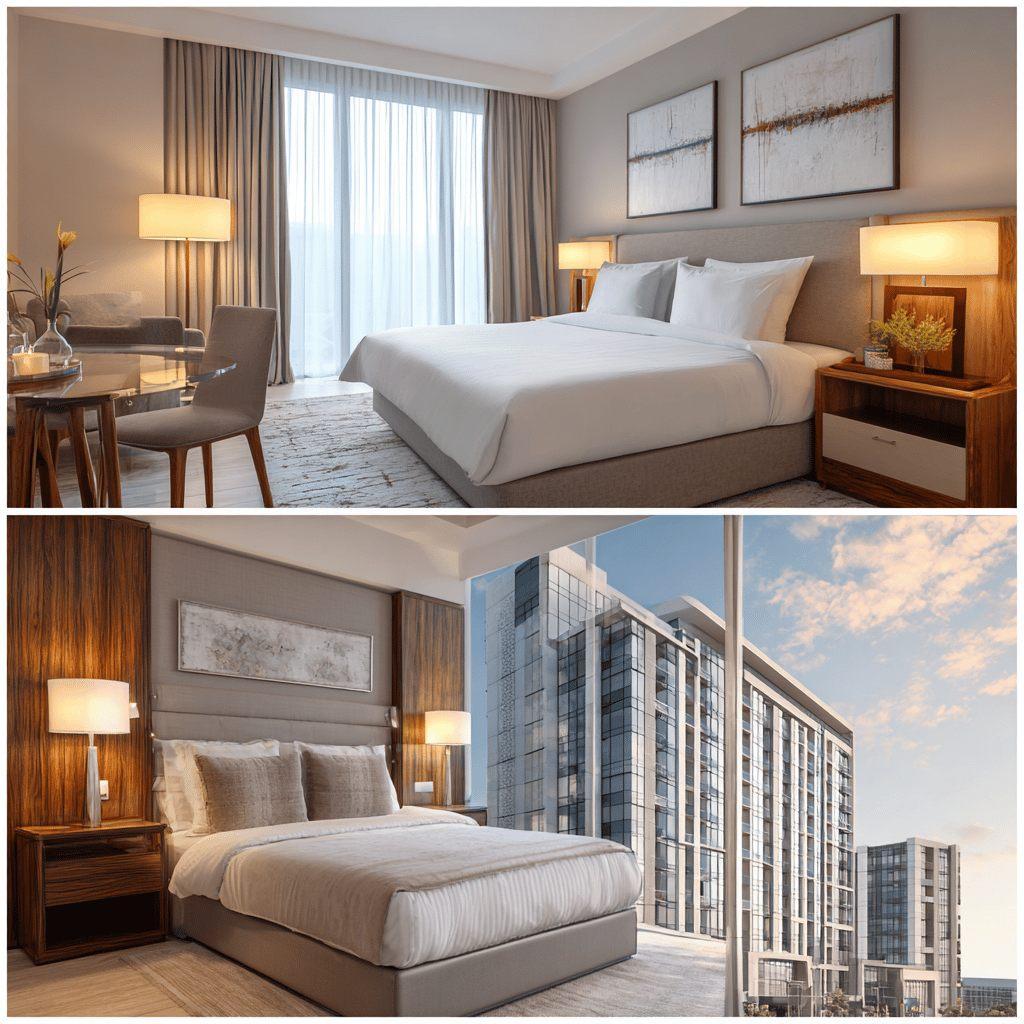
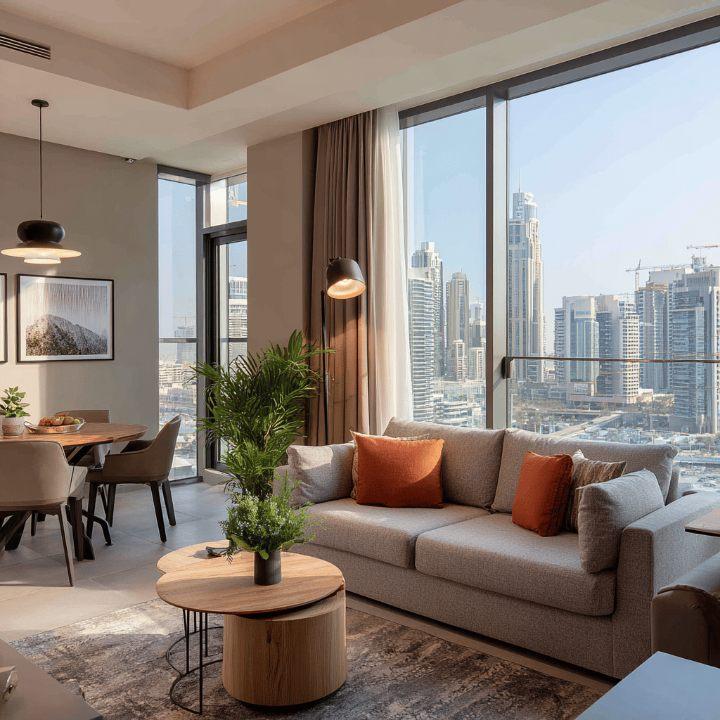
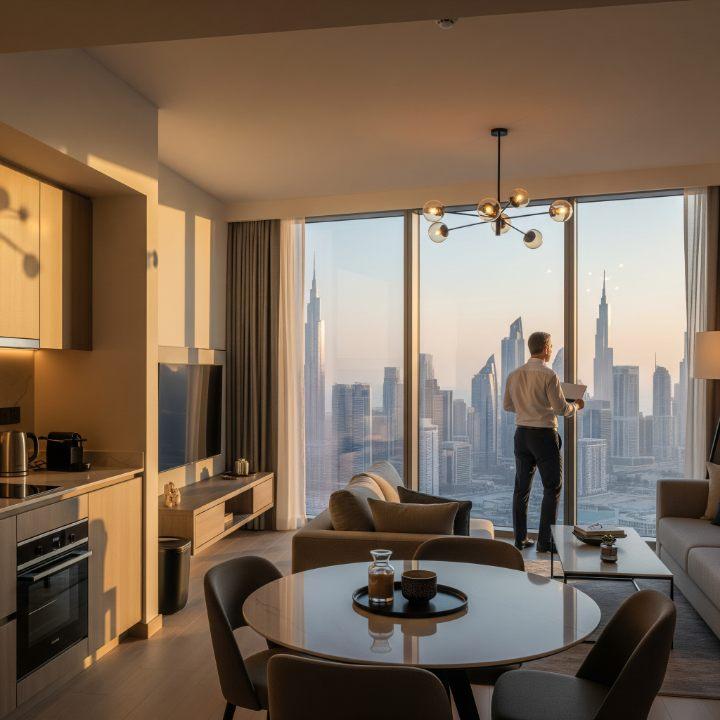
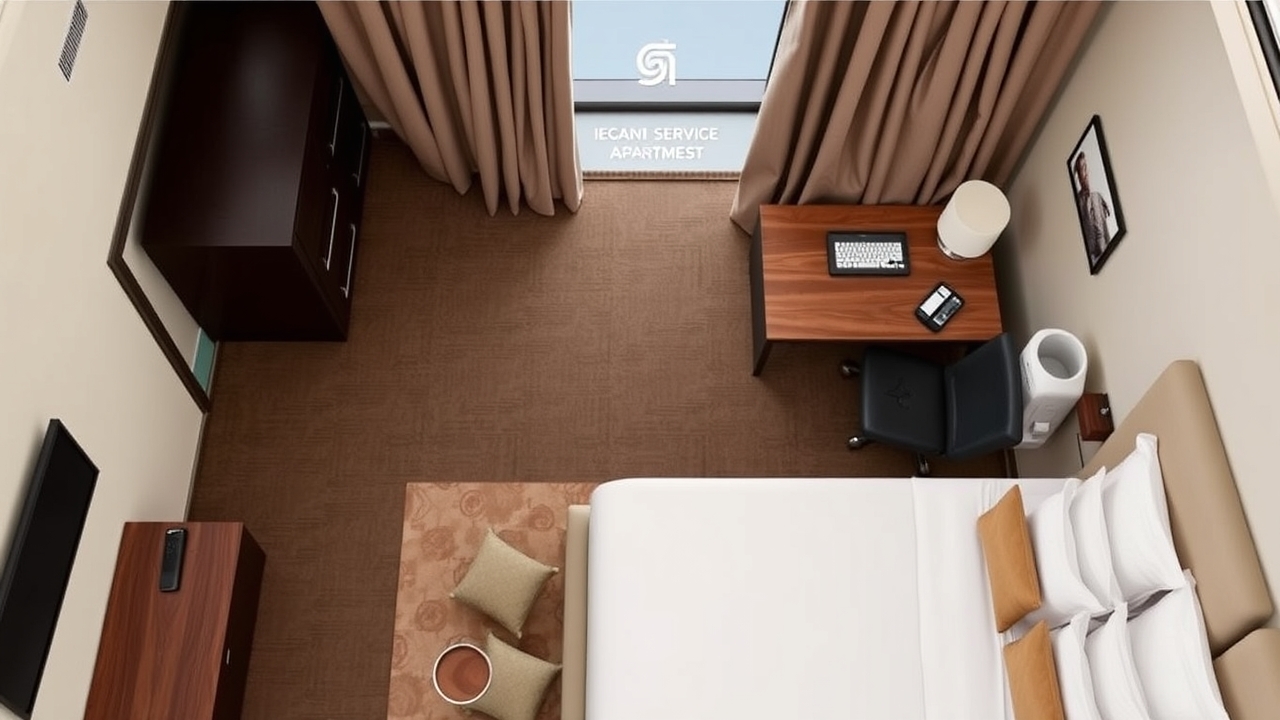
The assumption that freelancing saves money on office rent is often debunked by the reality of Dubai's real estate market. If you work from a standard residential apartment, you are responsible for the 5% Dubai Municipality tax on your rental value, plus high-speed 5.5G internet packages which, in 2026, have shifted to tiered business-priority pricing. This is where the flexibility of serviced apartments in Dubai becomes a strategic financial move rather than a luxury.
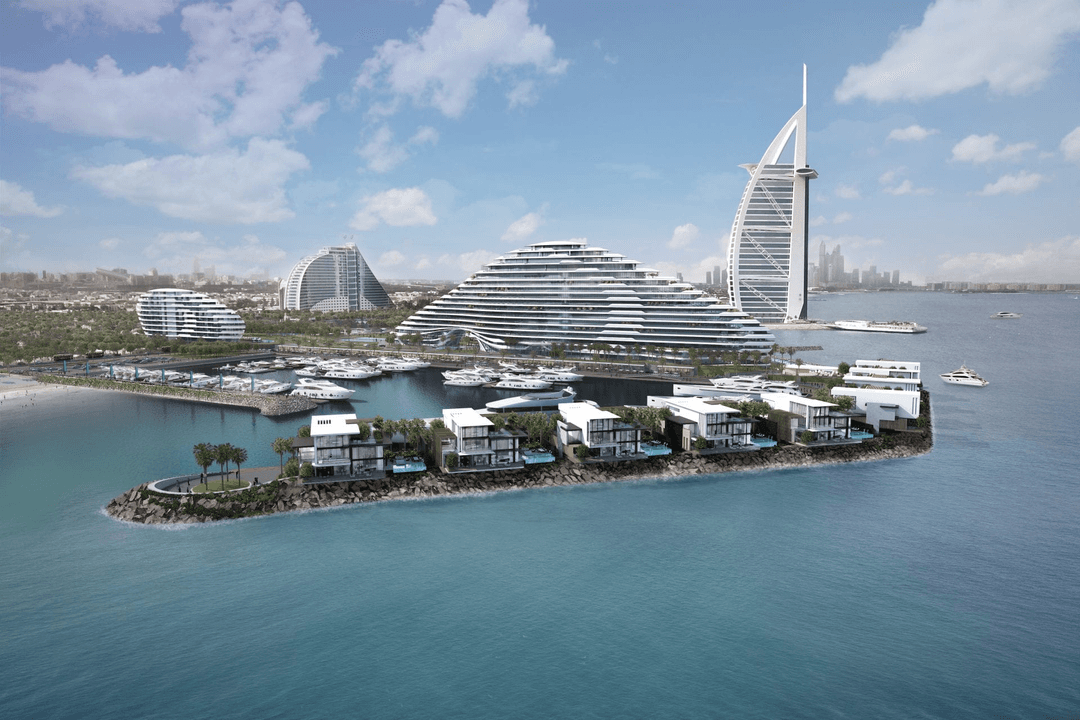
When you calculate the true cost of a traditional rental—including DEWA (utilities), internet, Chiller fees, and the 5% Ejari fee—the 'all-in' price of a serviced unit often proves more economical. Many freelancers find that remote work in Palm Jumeirah provides a higher ROI because it bundles these 'hidden' costs into a single, predictable monthly payment, allowing for better cash flow management. What most people miss is the cost of 'Chiller' (air conditioning) in summer months, which can spike a freelancer's overhead by 30% in a standard apartment but is included in serviced alternatives.
Location Strategy: Dubai vs. Neighbors
If your budget is tight, the Sharjah vs. Dubai commute cost savings analysis for 2026 suggests that while rent is 40% lower in Sharjah, the 'Salik' (toll) charges and the time-cost of traffic can negate these savings for freelancers who need to meet clients in DIFC or Business Bay. A better strategy is often to find a hot-desking solution in Business Bay combined with a short-term living arrangement to minimize initial capital outlay.
The Corporate Tax and VAT Reality
2026 is a pivotal year for the UAE tax landscape. The 9% Corporate Tax on net profits above AED 375,000 is now fully integrated into the freelancer ecosystem. Even if you earn below this threshold, the cost of compliance is not zero. You are required to maintain 'proper books of account' according to the Ministry of Finance standards. In my experience, hiring a part-time accountant or subscribing to 2026-compliant AI-accounting software (like specialized versions of Xero or Zoho) costs roughly AED 3,000 to 6,000 per year.
- VAT Registration: If your taxable supplies and imports exceed AED 375,000, registration is mandatory. If they exceed AED 187,500, it is voluntary. Many freelancers register voluntarily to reclaim VAT on their business expenses, but the administrative burden of filing quarterly returns often requires professional help.
- Tax Registration Number (TRN) Fees: While the TRN itself is free, the 'Tax Agency' fees to manage your account can be a hidden recurring drain.
- Innovation and Knowledge Fees: On every government transaction, expect an additional AED 20 to 50 under these headings. They seem small but aggregate significantly over a year of permit renewals and visa applications.
Comprehensive Freelancer Cost Breakdown (2026 Estimates)
To provide a clear picture, the following table compares the 'Sticker Price' usually advertised versus the 'Actual Cost' after 12 months of operation.
Expense CategoryAdvertised / Base Fee (AED)Hidden / Mandatory Add-ons (AED)Total Real Year-1 Cost (AED)Freelance Permit (1 Year)7,500Establishment Card & Admin: 2,50010,000Residency Visa (3-5 Years)3,500 (Pro-rated)Medical, Emirates ID, ICP Security: 3,0006,500Health Insurance (Basic/Enhanced)800 (Essential)Comprehensive 2026 Coverage: 2,2003,000Banking & Compliance0 (Digital Banks)Min Balance Penalties & Software: 4,0004,000Workspace/Connectivity0 (Work from Home)5.5G Business Line & Hot-desking: 6,0006,000Total Year 111,80017,70029,500
Medical Insurance: The Trap for the Unwary
Dubai law mandates that every resident must have health insurance. For freelancers, this is a direct out-of-pocket expense. In the past, many opted for the 'Essential Benefits Plan' (EBP) for around AED 600. However, in 2026, the Dubai Health Authority has increased the minimum coverage requirements. A standard EBP plan for a 30-year-old now starts closer to AED 950, and the coverage is extremely limited. If you have a family or require specialized care, an 'Enhanced' plan is necessary, which can easily reach AED 5,000. Neglecting this leads to heavy fines during visa renewal, often billed at AED 500 per month of non-compliance.
Flexible Living: Serviced Apartments as a Business Tool
One of the most effective ways to mitigate the high 'hidden' costs of setting up is to leverage the 7 hidden benefits of staying in a serviced apartment. As a freelancer, your income may be lumpy. Locking yourself into a one-year Ejari contract requires a massive upfront payment (often 1-4 checks) and a security deposit. This ties up your working capital.
By comparing serviced apartment vs. regular rental costs, you'll see that the flexibility of a short-term vs. yearly contract can save you thousands in 'set-up' fees like DEWA activation (AED 2,000+), internet installation, and furniture. Furthermore, if you are relocating to Dubai specifically to freelance, staying in an area like Abu Dhabi might seem cheaper, but checking the cost of living in serviced apartments in Abu Dhabi compared to Dubai shows the gap is narrowing, often making Dubai the more strategic hub for networking.
The Tech Stack: 2026 Infrastructure Requirements
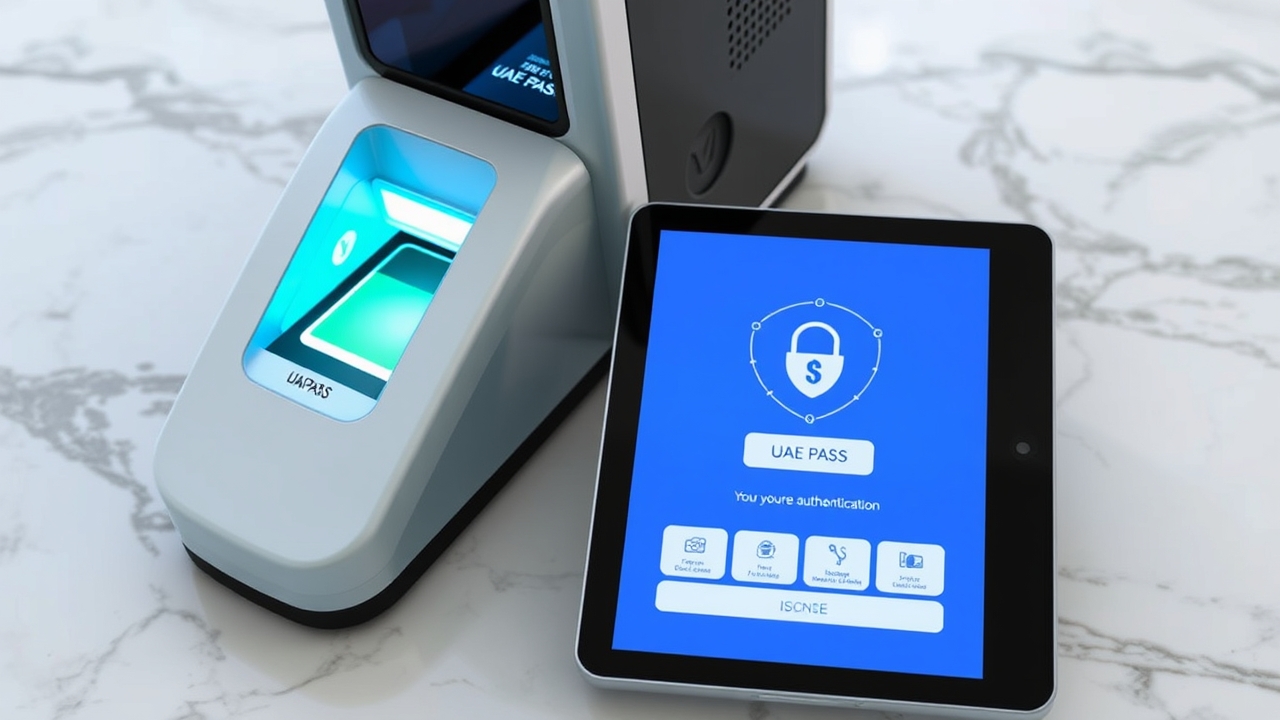
Dubai's push toward a 'Paperless Government' means every freelancer needs a robust digital infrastructure. This isn't just a laptop and a coffee shop seat. To interact with the Official UAE Portal for renewals and tax filings, you must have a UAE PASS (biometric digital identity). While the app is free, the hardware required to maintain high-security standards for financial transactions in 2026 often means investing in the latest encryption-capable devices.
Additionally, the 5.5G rollout has replaced traditional fiber in many business hubs. If you are a creative professional (video editor, AI modeler) working from serviced apartments in Dubai, ensure the building offers Wi-Fi 7 integration. Most luxury serviced apartments now include these tech specs as standard, whereas older residential buildings in neighborhoods like Deira or Bur Dubai may require you to pay for expensive private upgrades.
Managing Client Expectations and Payment Delays
The 'hidden cost' of time cannot be ignored. In my experience testing the local market, payment terms in the UAE can be 'Net 60' or 'Net 90,' despite what is written in a contract. You must have a cash buffer. This is a cost of doing business. If you are staying in a hotel, you risk high daily rates during peak seasons like COP summits or the Dubai Shopping Festival. Using a guide for corporate housing in Dubai can help you lock in a fixed rate that doesn't fluctuate with the city's event calendar, protecting your cash flow during those months when clients are slow to pay.

Differentiating Your Legal Form
Are you a 'Freelancer' or a 'Single Person LLC'? In 2026, the distinction matters for your liability and tax. A freelance permit (under a Free Zone) is technically a permit to provide services in your own name. A 'Sole Establishment' under the Department of Economy and Tourism (DET) offers more flexibility for local trade but comes with higher 'Market Fees' (usually 2.5% to 5% of your office/home rent). Understanding the difference between a hotel and hotel apartments or even a licensed home-office is vital because the DET often inspects physical premises to ensure compliance with the specific activity listed on your license.
Key Networking and Growth Costs
Success in Dubai is built on 'Wasta' (influence/connection). This requires being in the right rooms. Coworking spaces in the Dubai business ecosystem are not just desks; they are gateways. Membership at a premium space in DIFC or Media City can cost AED 2,500 per month. This is an 'expected' hidden cost if you want to move beyond low-tier Gig-economy platforms and land high-value corporate contracts.
Frequently Asked Questions
1. Can I freelance on a spouse's visa in 2026?
Yes, you can, but you still require a 'Freelance Permit' from a licensing authority like Dubai Culture or a Free Zone. You don't need the residency visa from them, which saves about AED 4,000, but the permit and the 'No Objection Certificate' (NOC) from your spouse are mandatory.
2. Is the 9% Corporate Tax applicable to all freelancers?
It applies to net profits exceeding AED 375,000. However, the 'Small Business Relief' program, which was prevalent in earlier years, has undergone specific 2026 revisions. Always consult the Federal Tax Authority for the most current exemptions based on your specific business activity.
3. What is the cheapest way to live as a freelancer?
Initially, apart-hotels and serviced apartments offer the lowest entry cost because they eliminate the need for furniture, utility deposits, and long-term legal commitments. This allows you to scale your living space up or down based on your contract wins.
4. Are there fines for not having a bank account?
There is no direct fine for not having a bank account, but you cannot legally receive payments from UAE entities without a VAT-compliant invoice or a way to clear local checks. Furthermore, visa renewals in 2026 require proof of local financial subsistence (the 6-month bank statement rule).

Conclusion
The dream of freelancing in the 'City of Gold' is highly achievable, but it requires a shift from a 'gig' mindset to a 'corporate' mindset. The hidden costs—from the AED 2,000 Establishment Card to the AED 6,000 compliance overhead—are the price of admission to one of the world's most stable and tax-efficient economies. By strategically choosing your base, perhaps by opting for the flexibility of serviced apartments over rigid long-term rentals, and by budgeting for the 'actual' costs rather than the 'advertised' fees, you position yourself for long-term profitability. In Dubai, the most successful freelancers are those who treat their setup as a capital investment rather than a low-cost experiment.
Methodology: Data for this guide was compiled through a cross-analysis of 2026 UAE Federal Tax Authority mandates, current 2026 Free Zone price lists (Meydan, TECOM, IFZA), and first-hand administrative testing of the ICP 'E-Channel' portal in Q1 2026.


 Share
Share